
Meet the Bees of Deer Creek Homestead
How Our Bees Support the Orchard and Gardens on Our Homestead
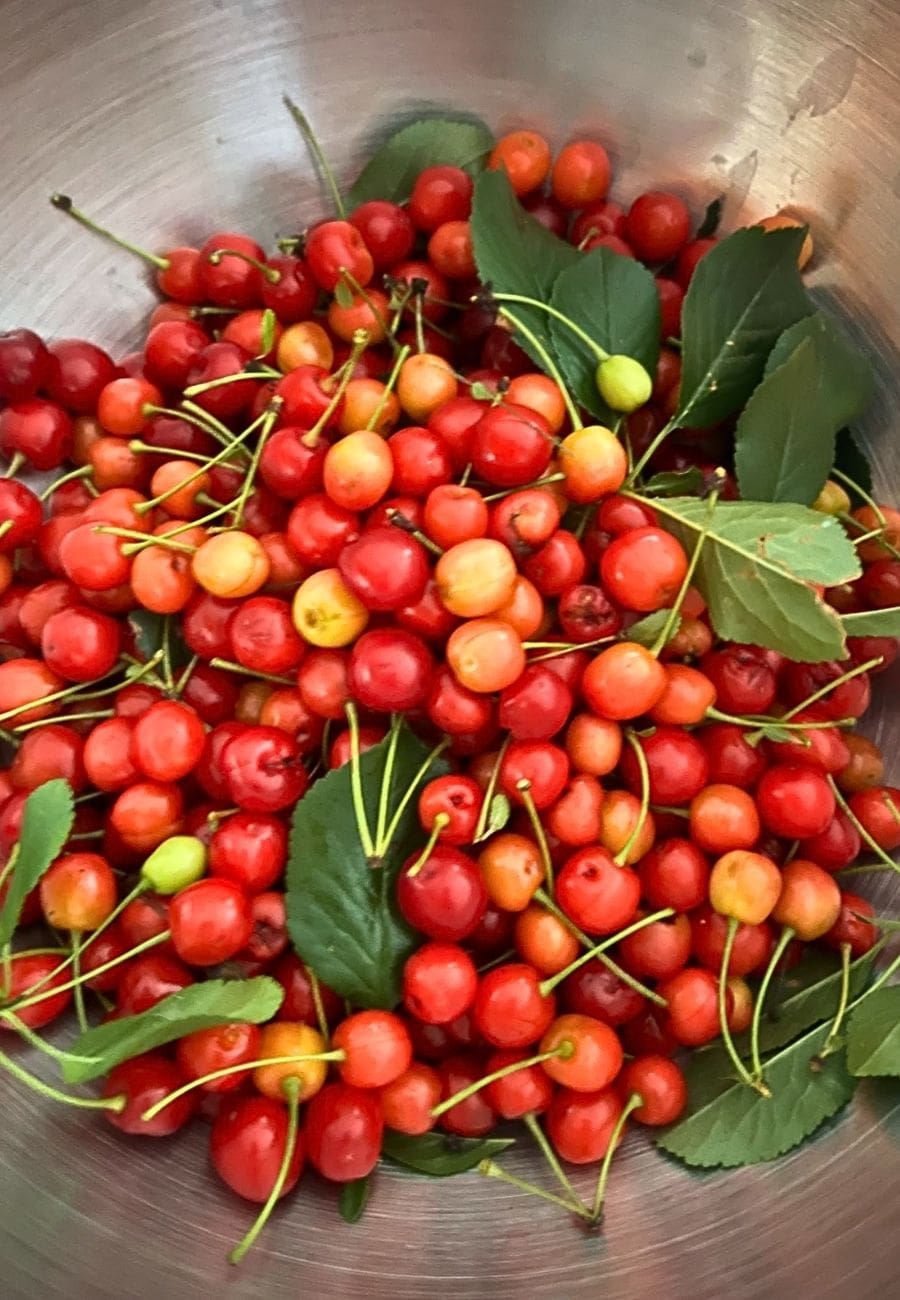
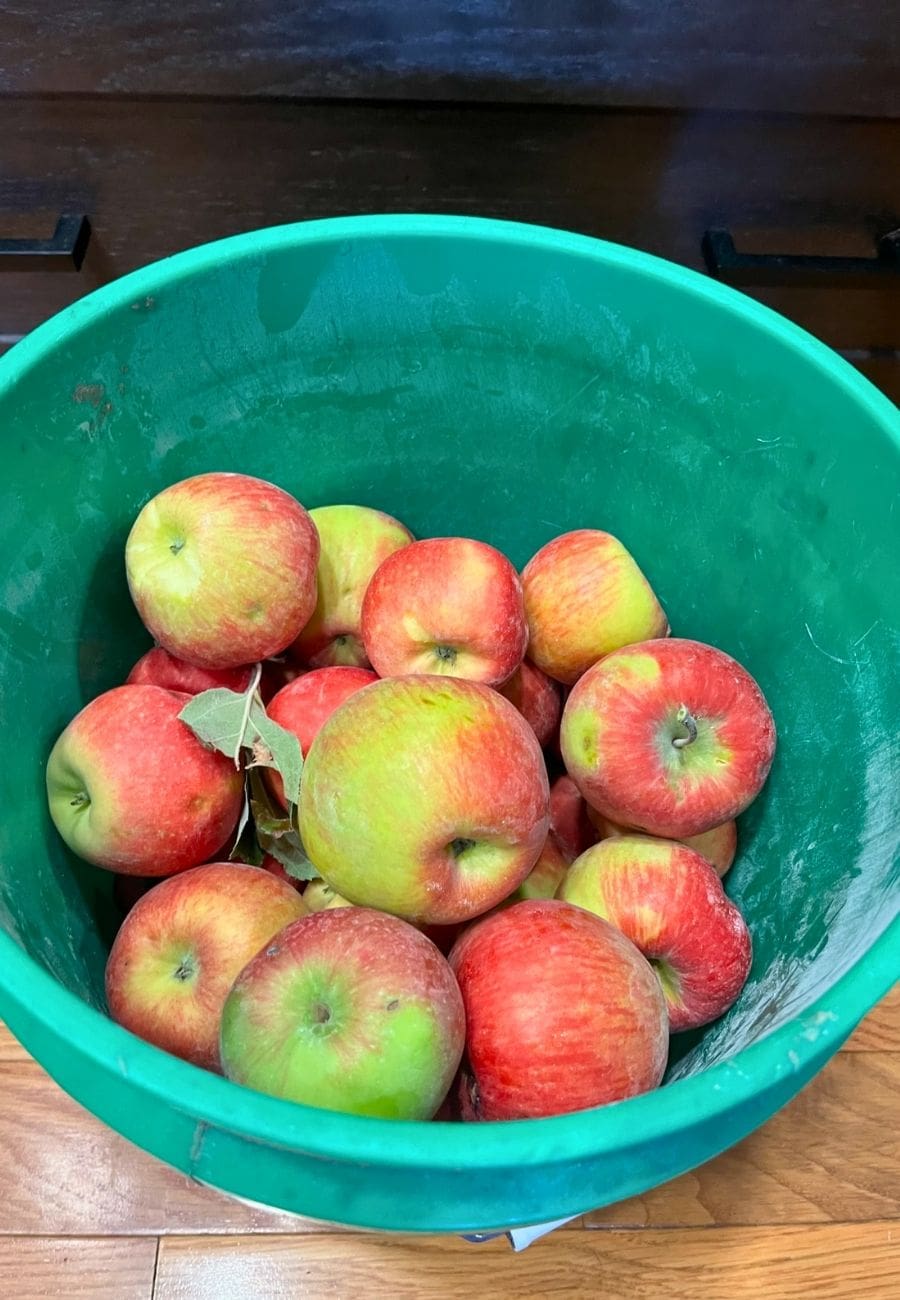
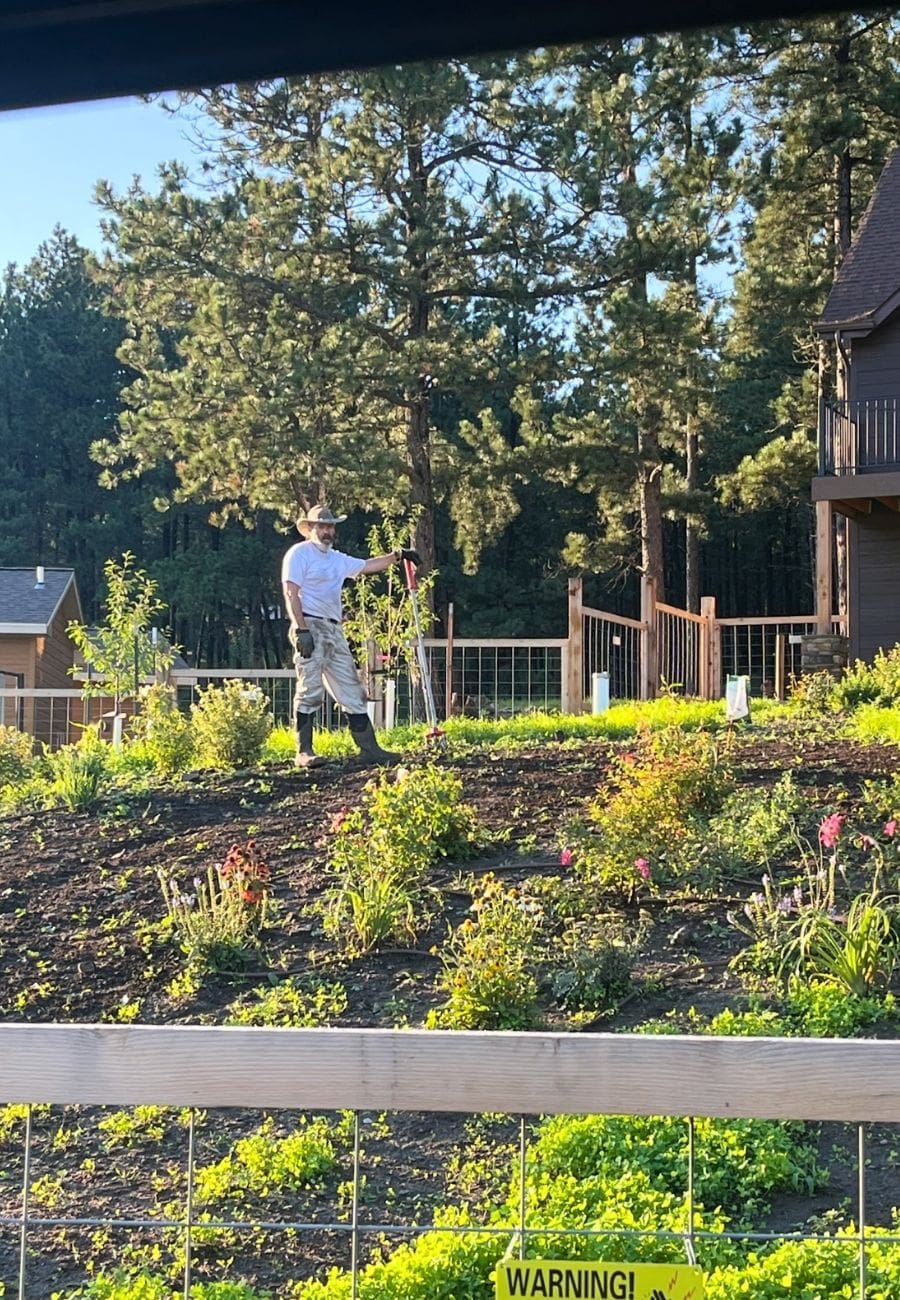
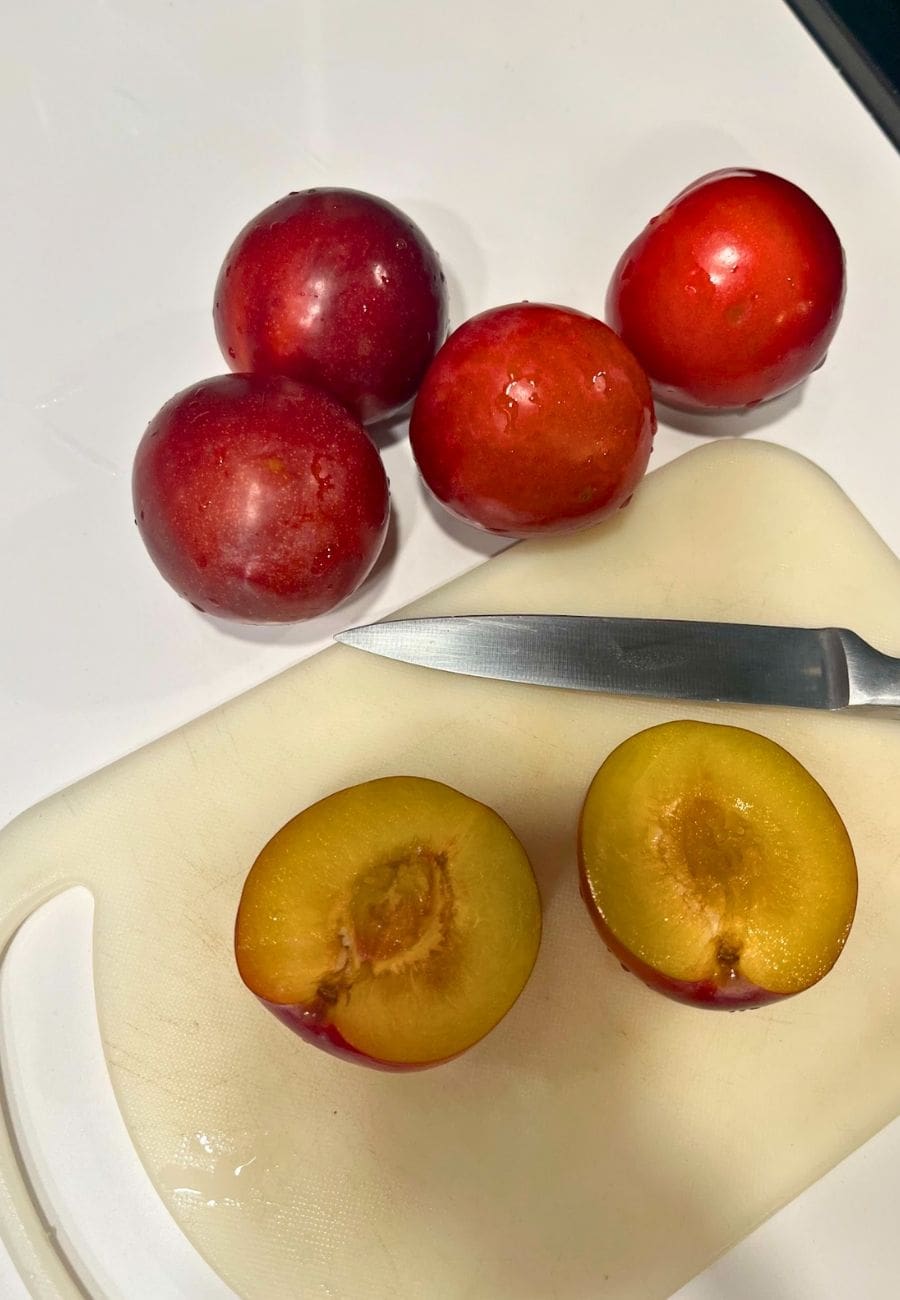
This is our third attempt at an orchard here at Deer Creek Homestead, we hope we have learned a few things, ha! We have found a safe location away from cows, installed an electric fence & watering system, and used years of our own rich, black compost to build up the soil plot. Our orchard and pollinator garden currently has 17 fruit trees (apple, pear, cherry and plum), 25 fruit shrubs (chokecherry, raspberry, gooseberry, honeyberry, and serviceberry), 70 flowering perennials, 41 flowering shrubs, dozens of miscellaneous annuals, and white & red clover for ground cover. We make lots of jams and syrups from the fruit and sell anything extra at our local Farmers Market. It took years of failing, planning, research, more planning, and a chicken/rabbit/goat/deer-proof fence but we were able to design a mixture of cold and drought-hardy plants that bloom early spring until late fall. Here’s to the saying, “the third times a charm”!
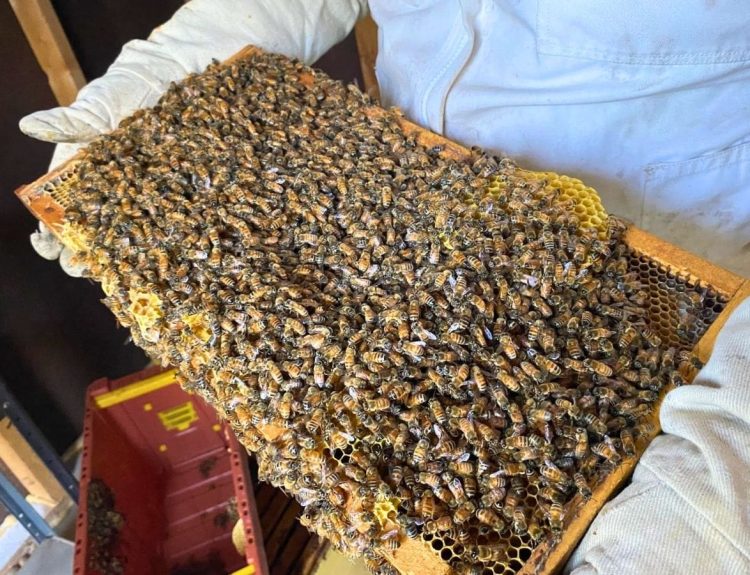
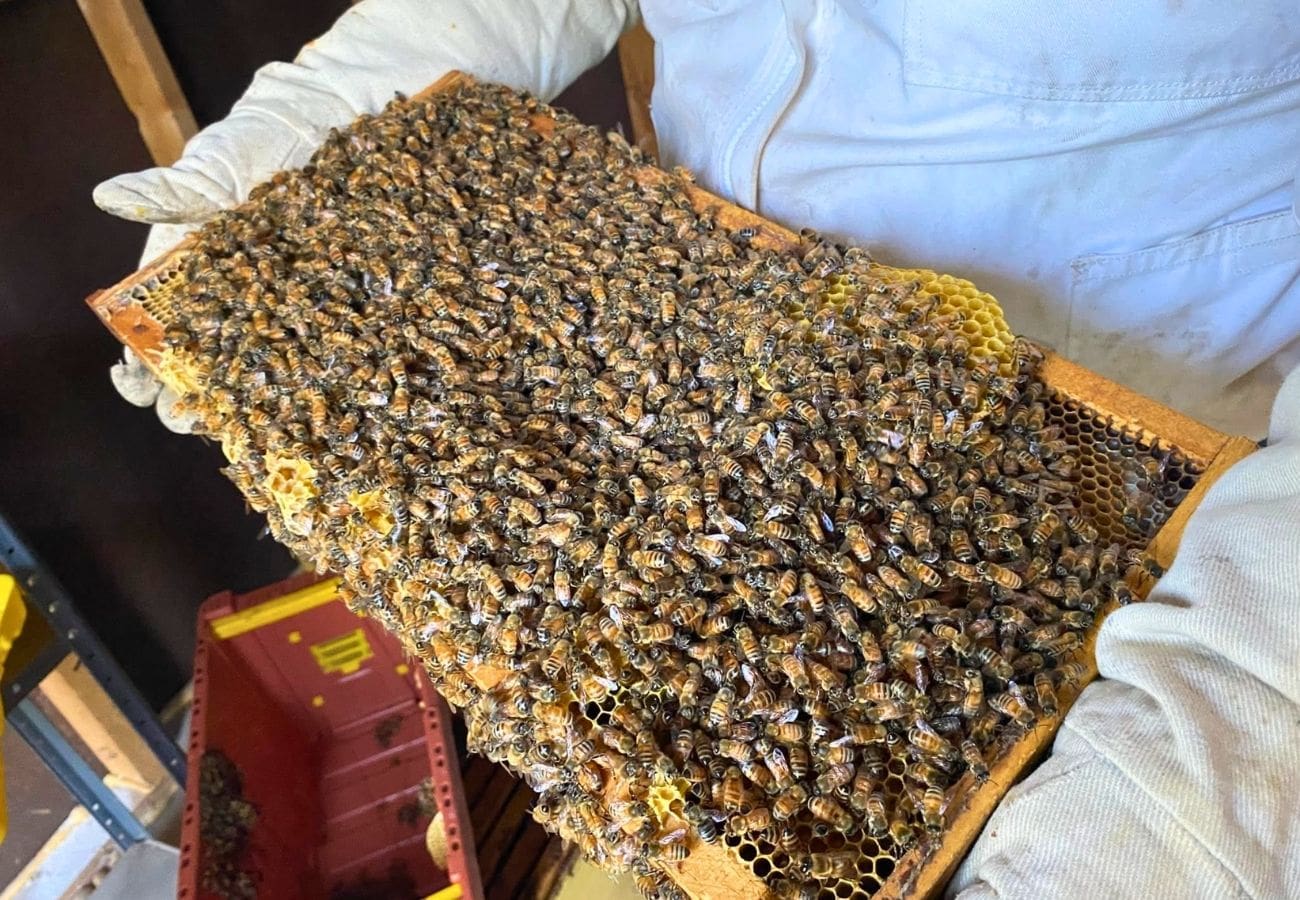
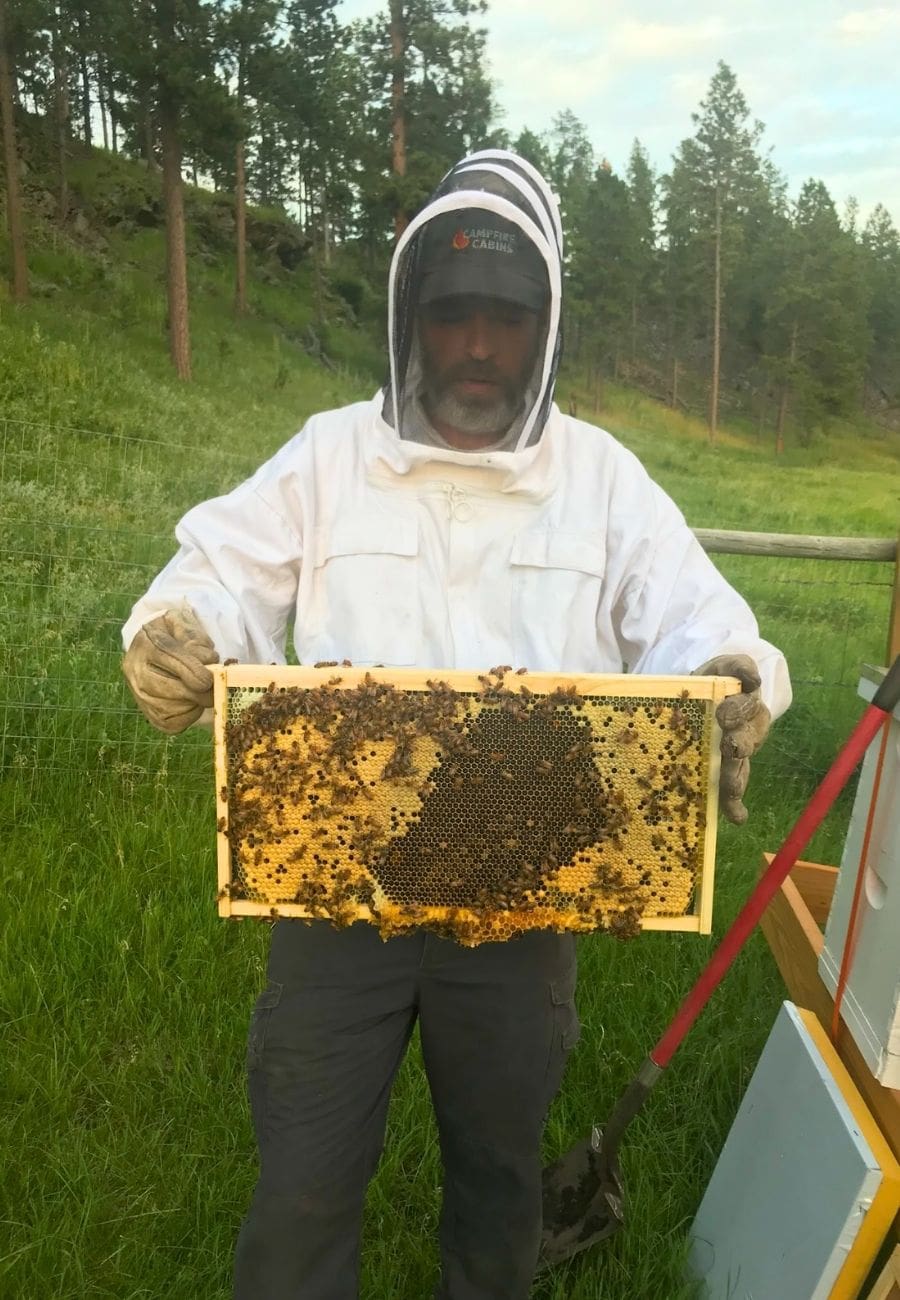
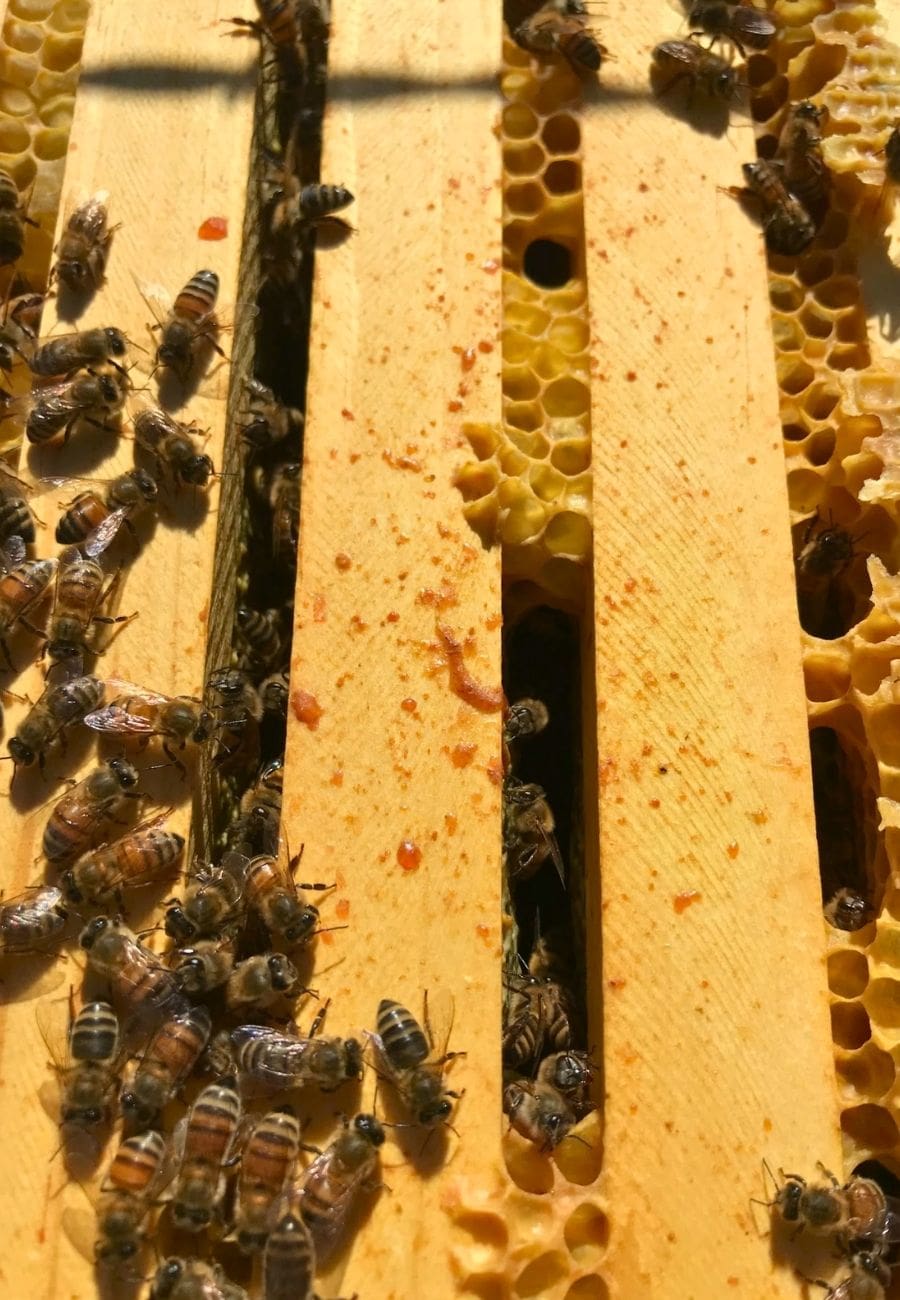
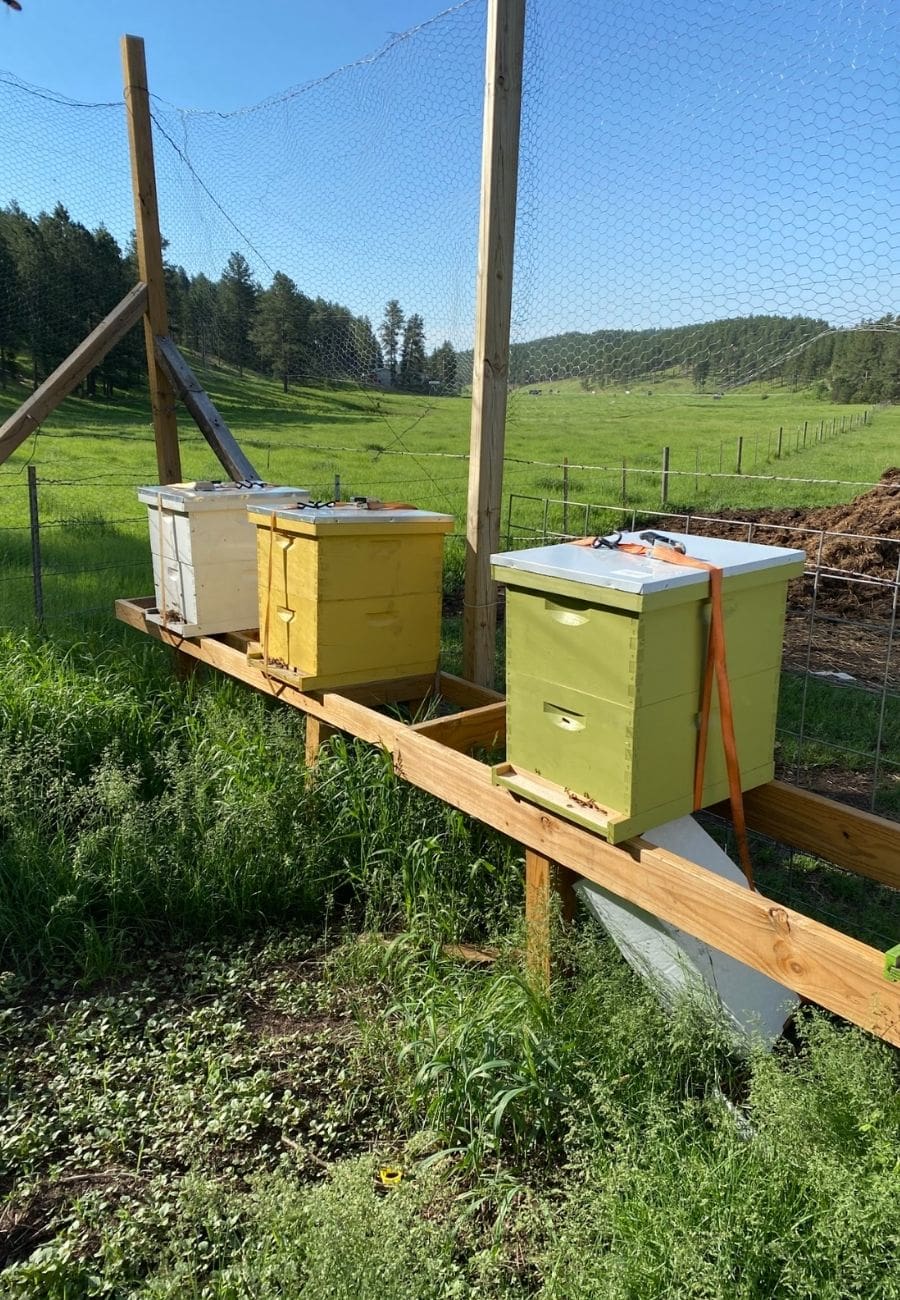
We are one of over 200 hobbyist beekeepers in the Black Hills. Depending on the year, we have anywhere from 1 to 3 hives on our property, we also keep 1 hive in Rapid City. We open our hives and assess their health and progress several times during the warm months, and harvest honey in late summer. We produce “raw” honey, which is unfiltered and unpasteurized, and loaded with pollen, nutrients, and antioxidants. We use it in our cooking, to give as gifts, and sell our extra through our online store. Our
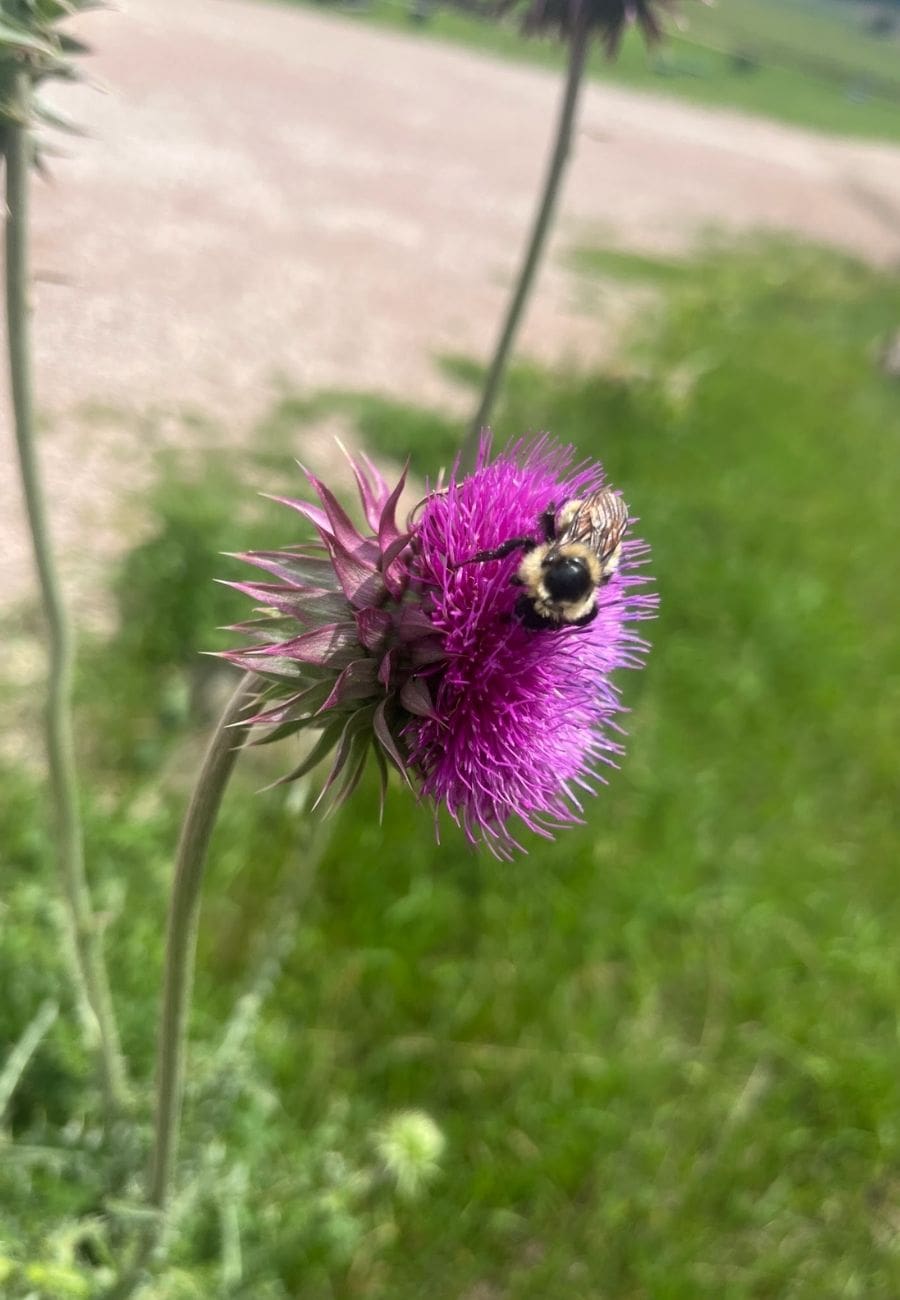
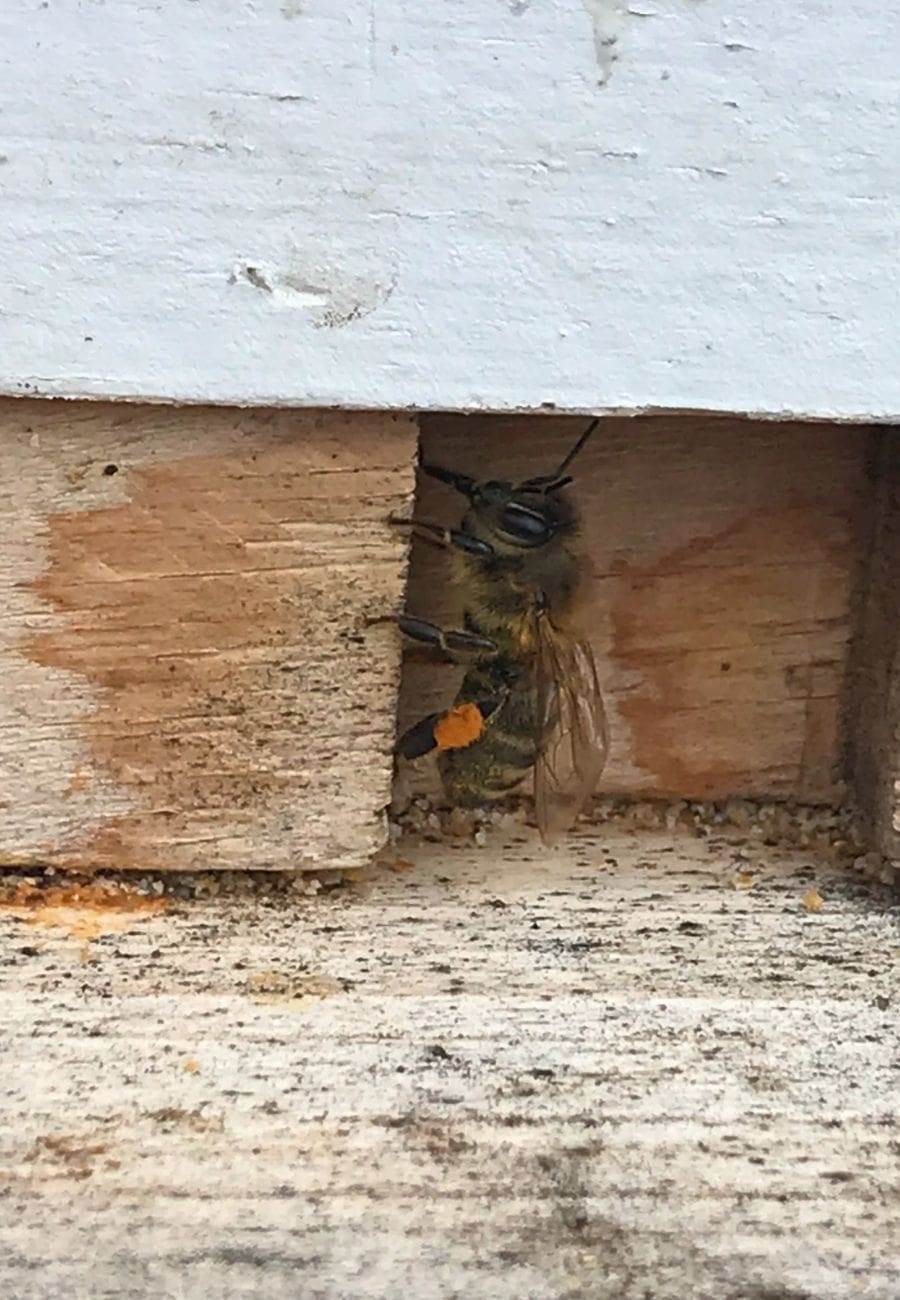
bees play a critical role in pollinating the orchard, vegetable garden, and high tunnel as well as the wildflowers, forbs, and ground covers within a 2-mile radius. It’s very important for us to provide enough food here for the bees to survive our dry summers and cold winters. Our weather is hard on them, fluctuating temperature swings, drought conditions, competition for food, etc. Bees in the Black Hills have to be tough!
Fun Facts About Bees:
- Bees can fly 9-15MPH
- Bees collect nectar from 2 million flowers to make 1 tsp of honey
- A honeybee queen lays 1000 eggs a day
- Only the female/worker bee will sting and then die (males don’t have a stinger!)
- A bees favorite color is purple
- Honeybees communicate with each other through dances
Get to Know Life at the Deer Creek Homestead
Walk the grounds, meet the animals, and see how the homestead comes to life. A visit is the best way to understand the heart of Deer Creek and the way we live here. If you have a reservation with Campfire Cabins and would like to arrange a tour, please reach out! Check out campfire-cabins.com for information and reservations.