Meet the Poultry of Deer Creek Homestead
A Look at the Birds That Keep Our Homestead Busy
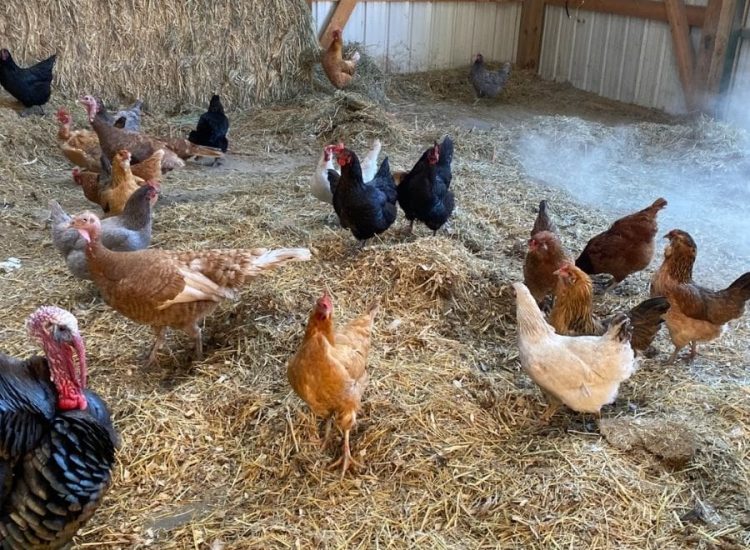
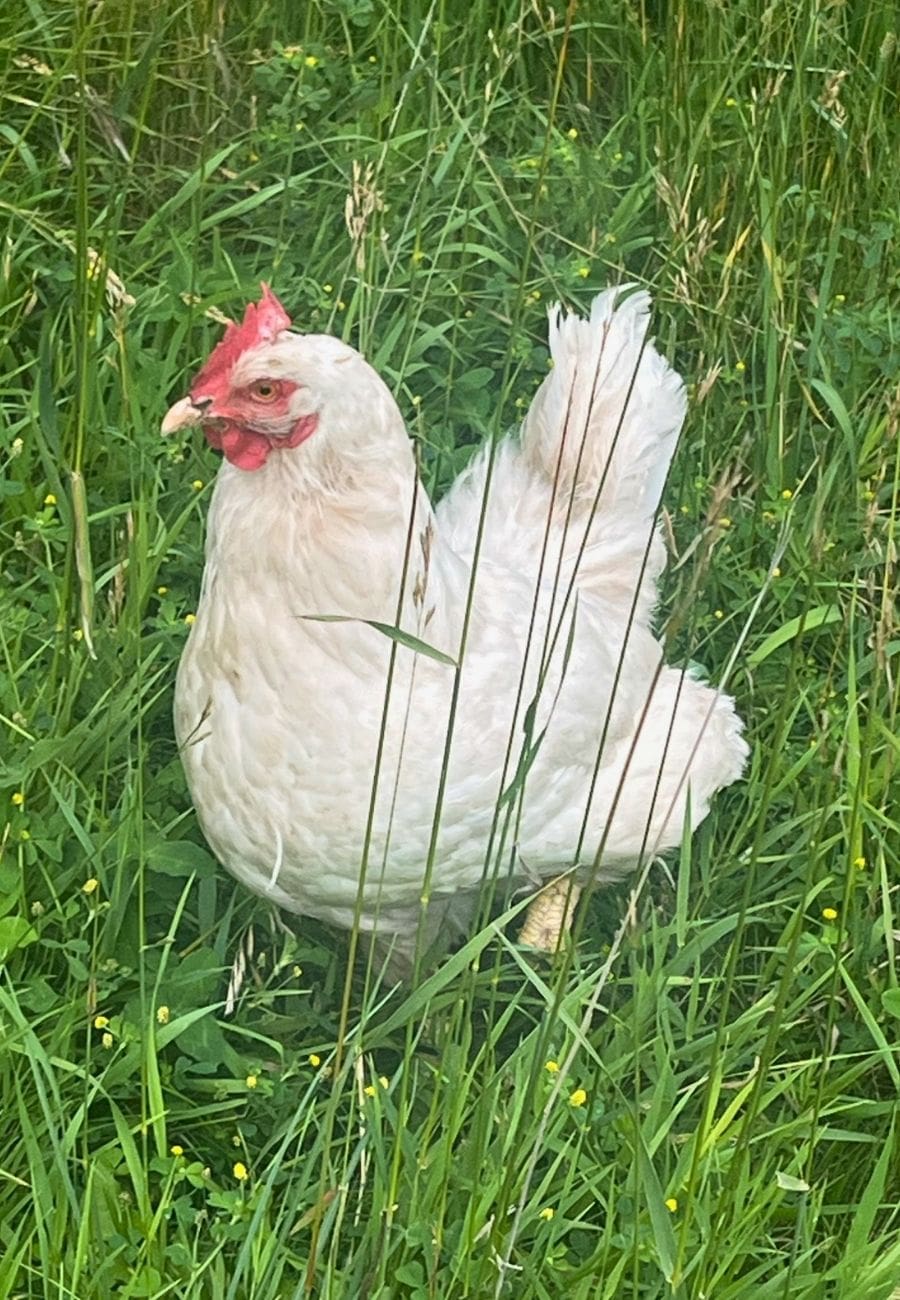
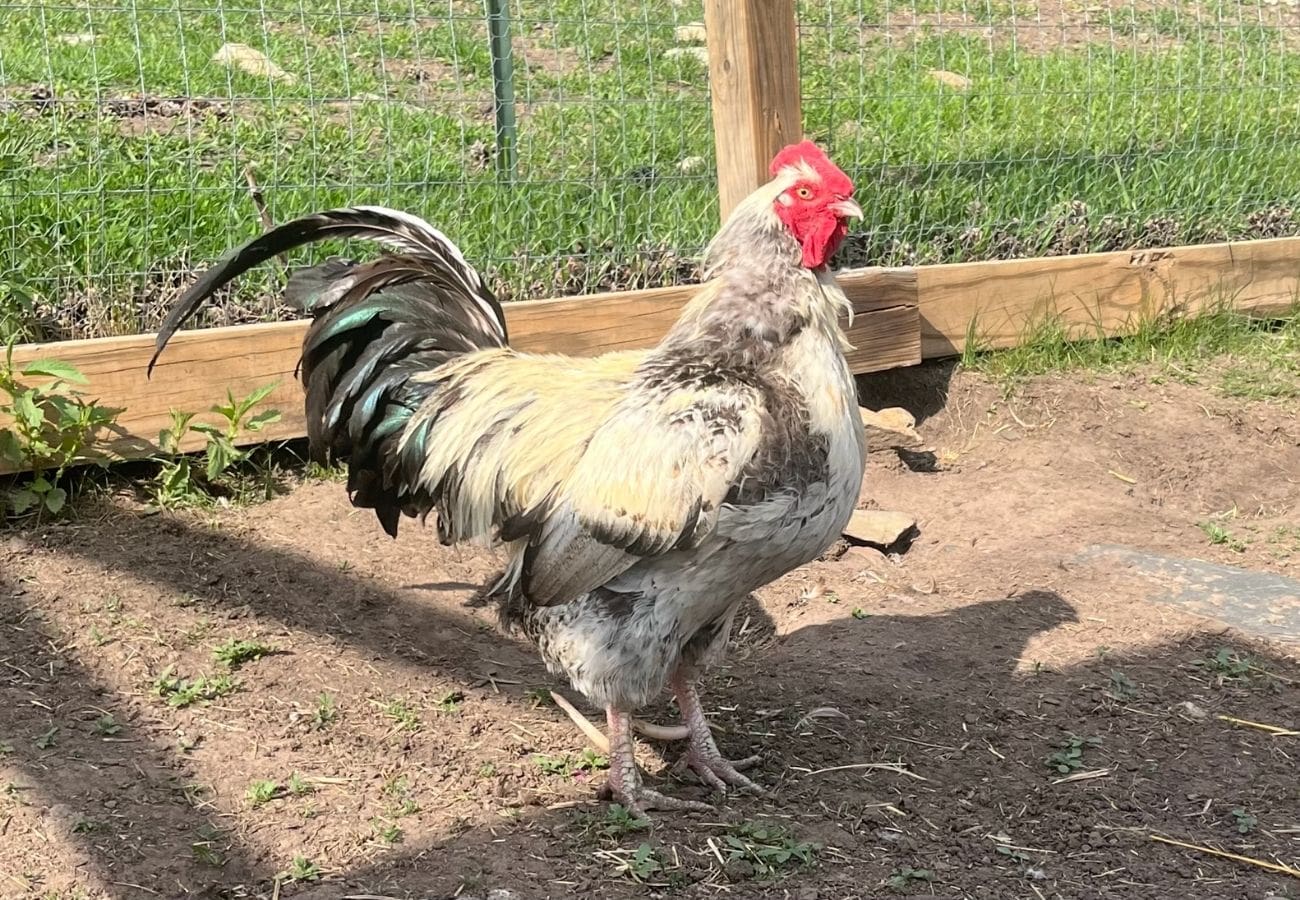
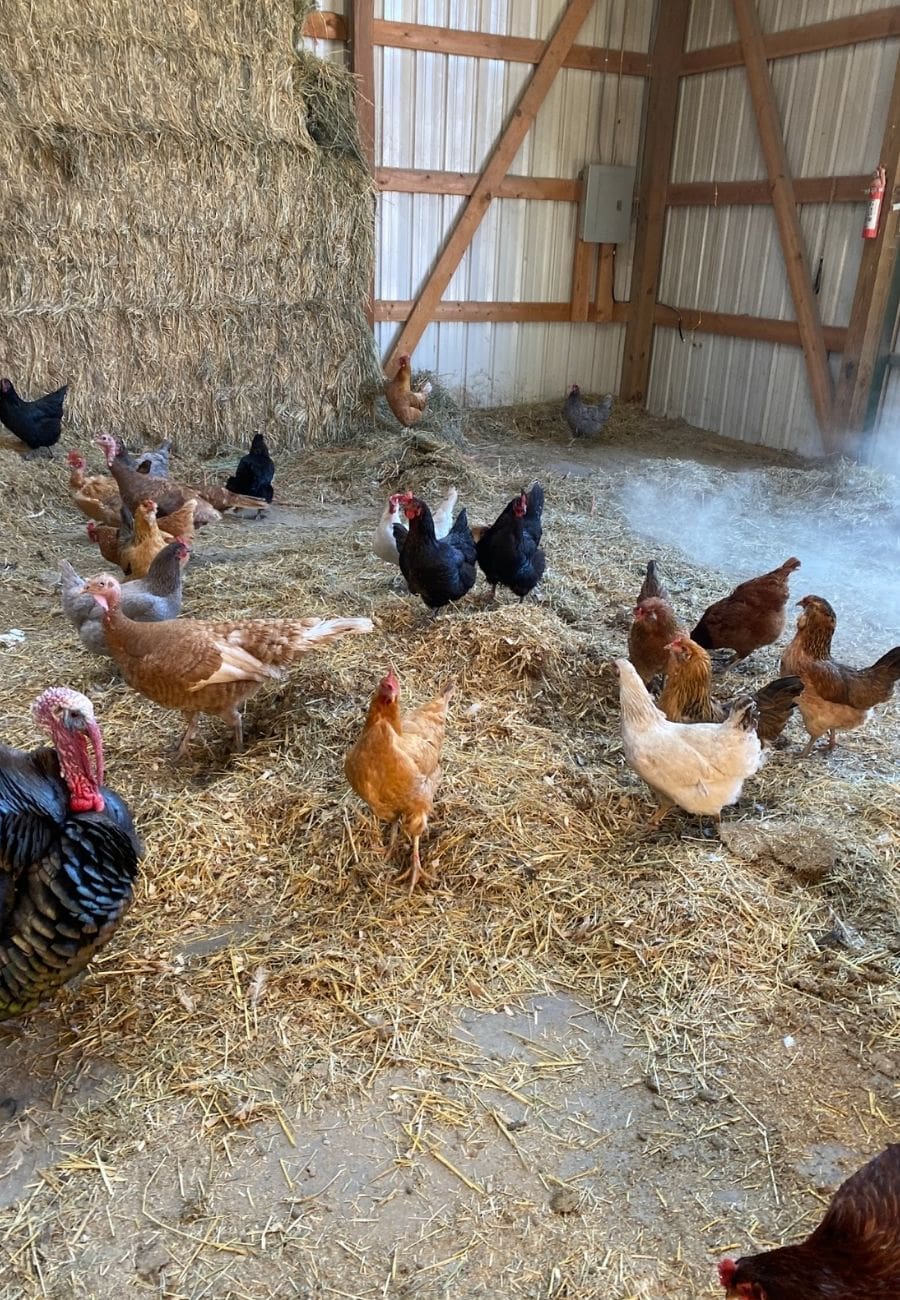
Here at Deer Creek Homestead, we have approximately 70 hens and a handful of handsome roosters! Our upper coop is in the barn and houses our baby chicks and hens aged up to 3 years old. Our lower coop is the “Retirement Home” where all the hens 4 years and older go to live out their days. Did you notice the colorful leg bands on our chickens? We give each years’ hatch a new leg band color, that’s how we can tell how old our chickens are! All our chickens free-range the property during the day and roost in their coops at night. We do not have a sophisticated breeding program here; our goal is eggs, but we do have several dual-purpose breeds running around. After 7 years of keeping chickens, we have more “barnyard mixes” than pure breeds. We hatch out chicks every spring and process the extra roosters in the late fall. Some breeding qualities we look for in our chickens and roosters: winter heartiness, small combs (to avoid frostbite), and large eggs – we also like colorful eggs, but that’s just for fun!
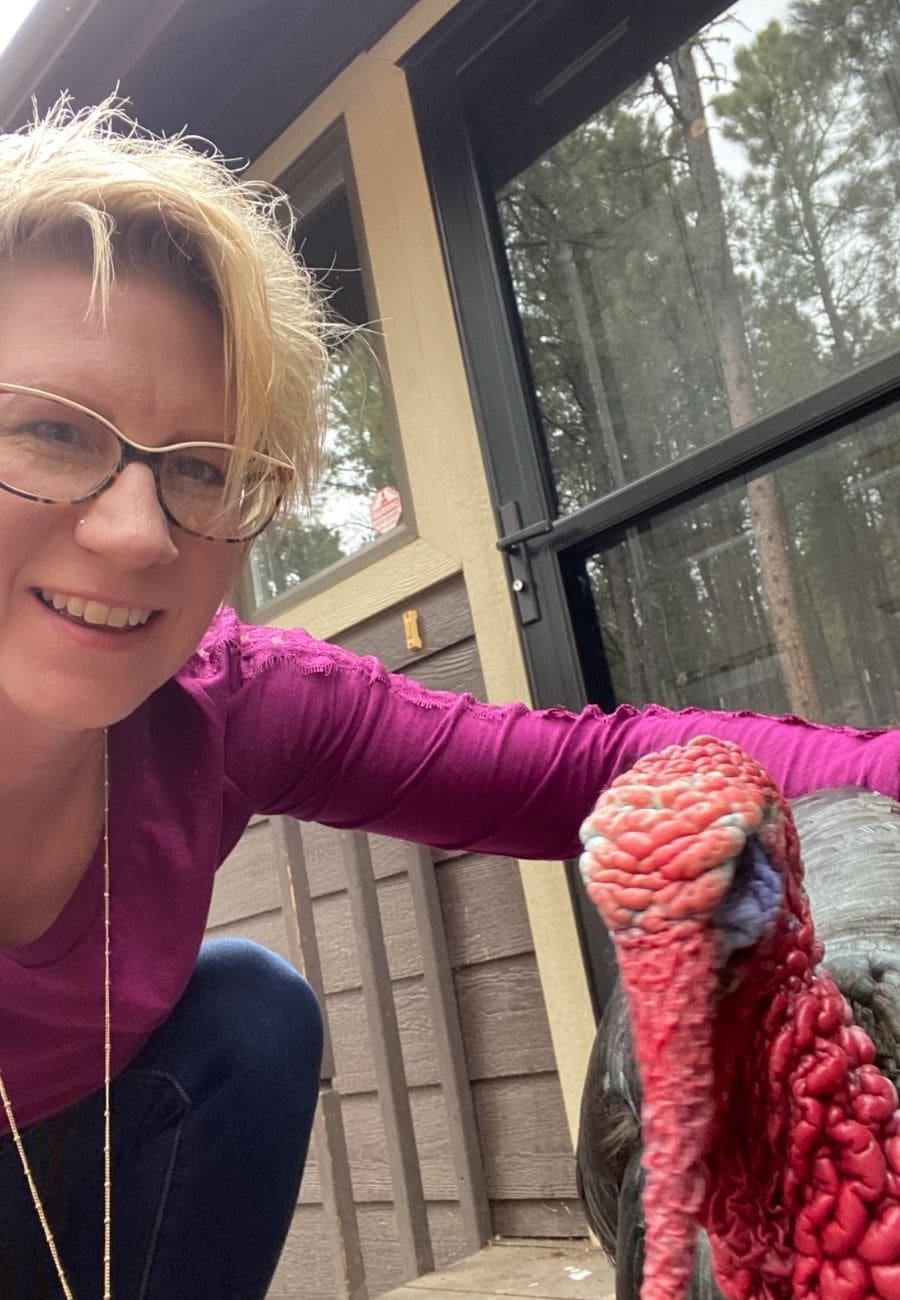
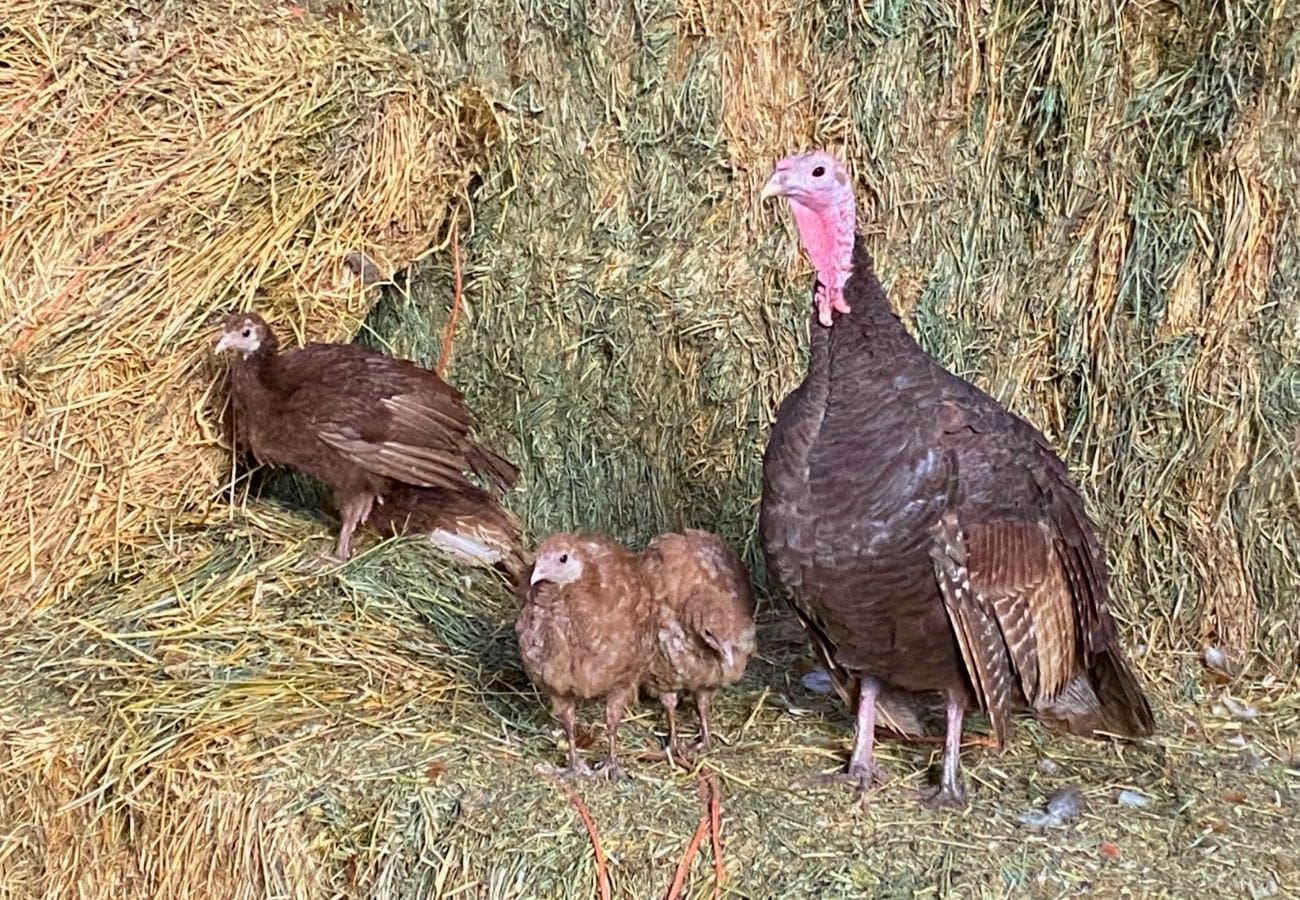
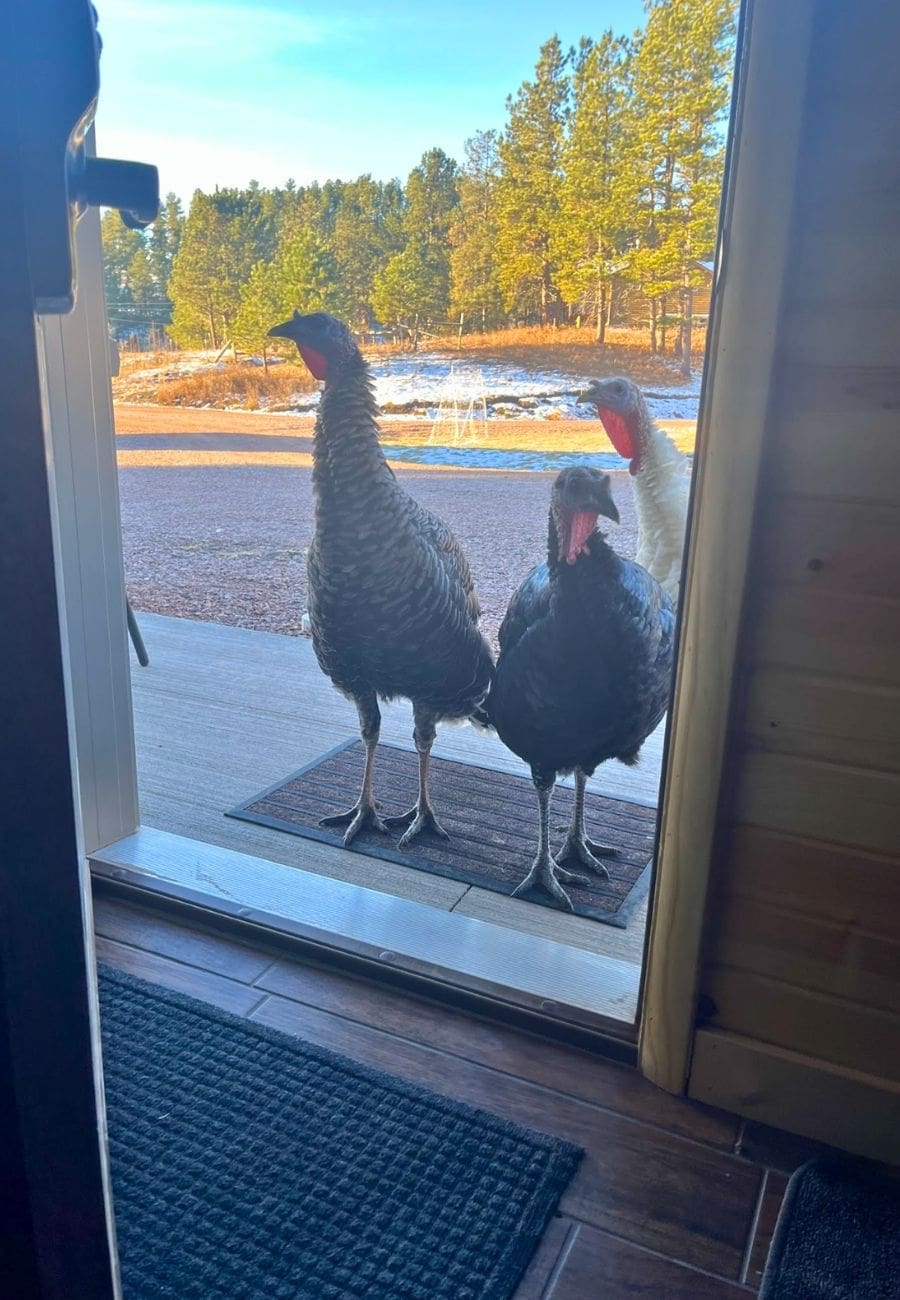
A farm favorite for us is our turkeys! They are highly social, smart, curious, and have very distinct personalities (much like dogs do). Our turkeys are all heritage breeds, so this means they are good foragers, they grow slowly, and they live a long time. Did you know they make multiple sounds to communicate, have 270-degree vision, snoods, and color changing heads? Seriously, they are so cool! They also do not like change, so they will alert us when something or someone new comes up the driveway! Turkeys are much cleaner than chickens, their eggs are also very pretty and rich in flavor. No need to be scared, they are very gentle creatures who like to strut around and show off a bit!
We compost the chicken and turkey manure for 1-2 years before using it in the high tunnel or garden. It is considered a “hot” manure and cannot be used directly on plants, or it will burn them. They are highly potent, nutrient-rich organic fertilizers packed with nitrogen, phosphorus, and potassium making it excellent for boosting plant growth.
Fun Fact: Turkey poop has double the nitrogen of chicken poop!
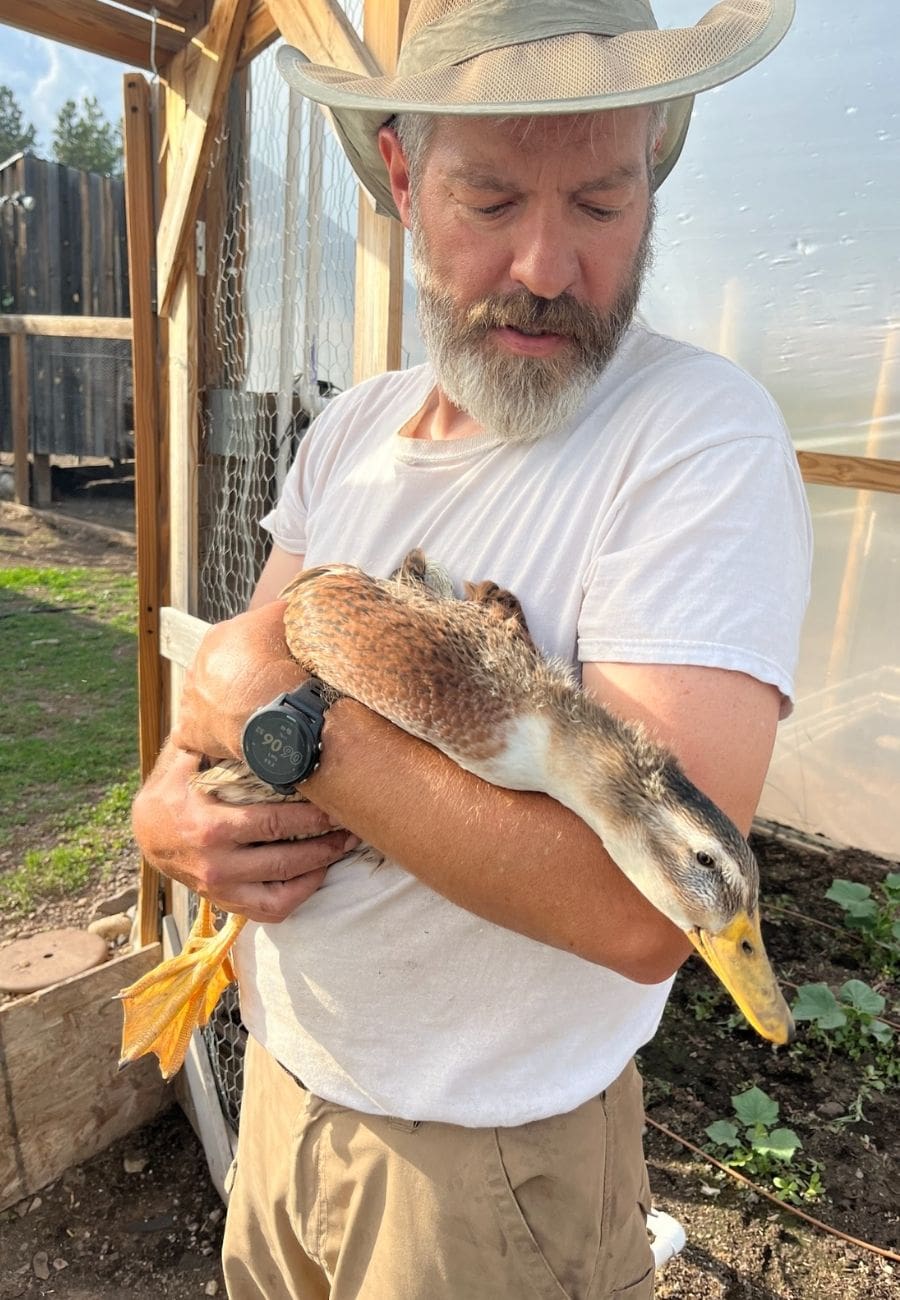
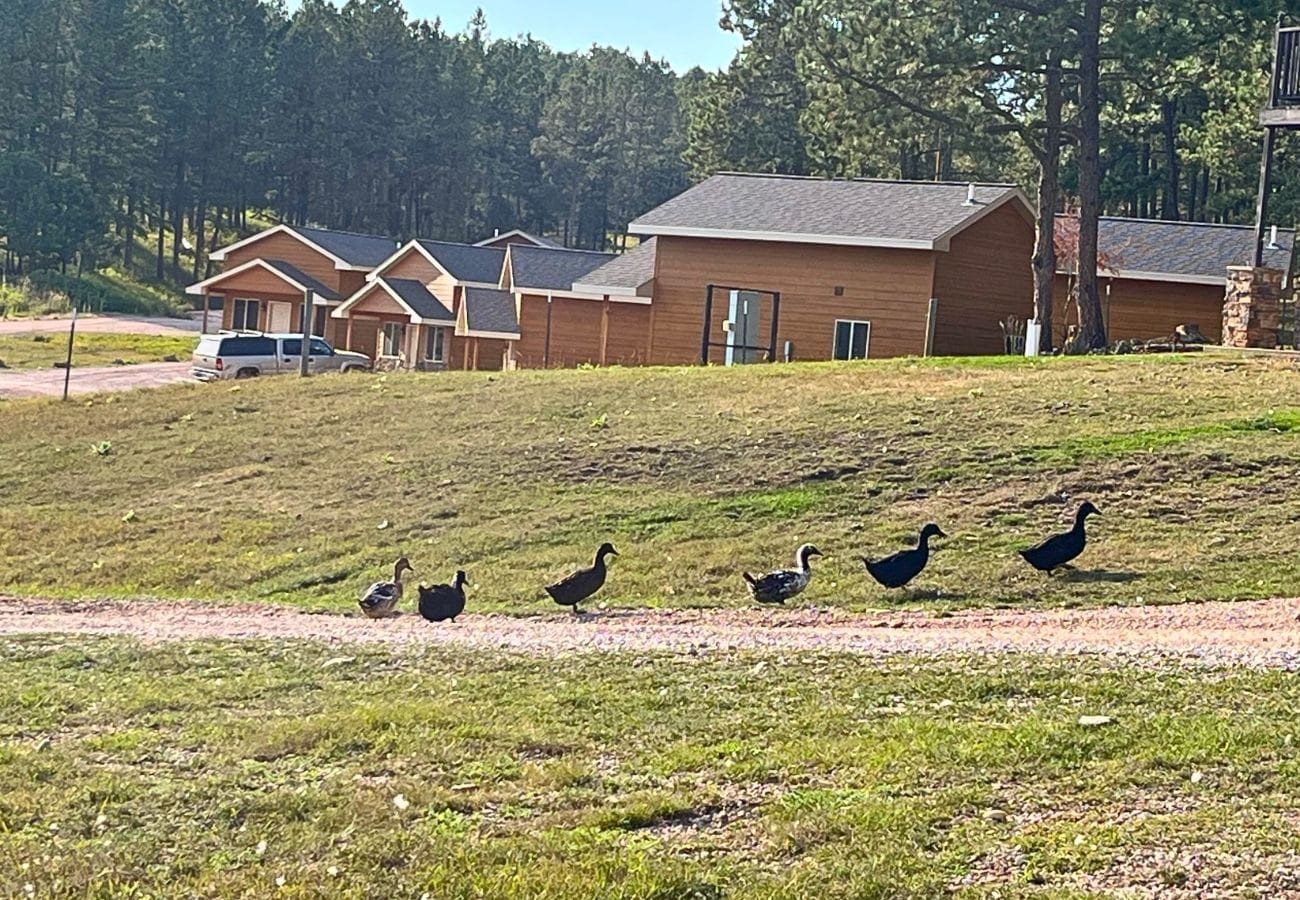
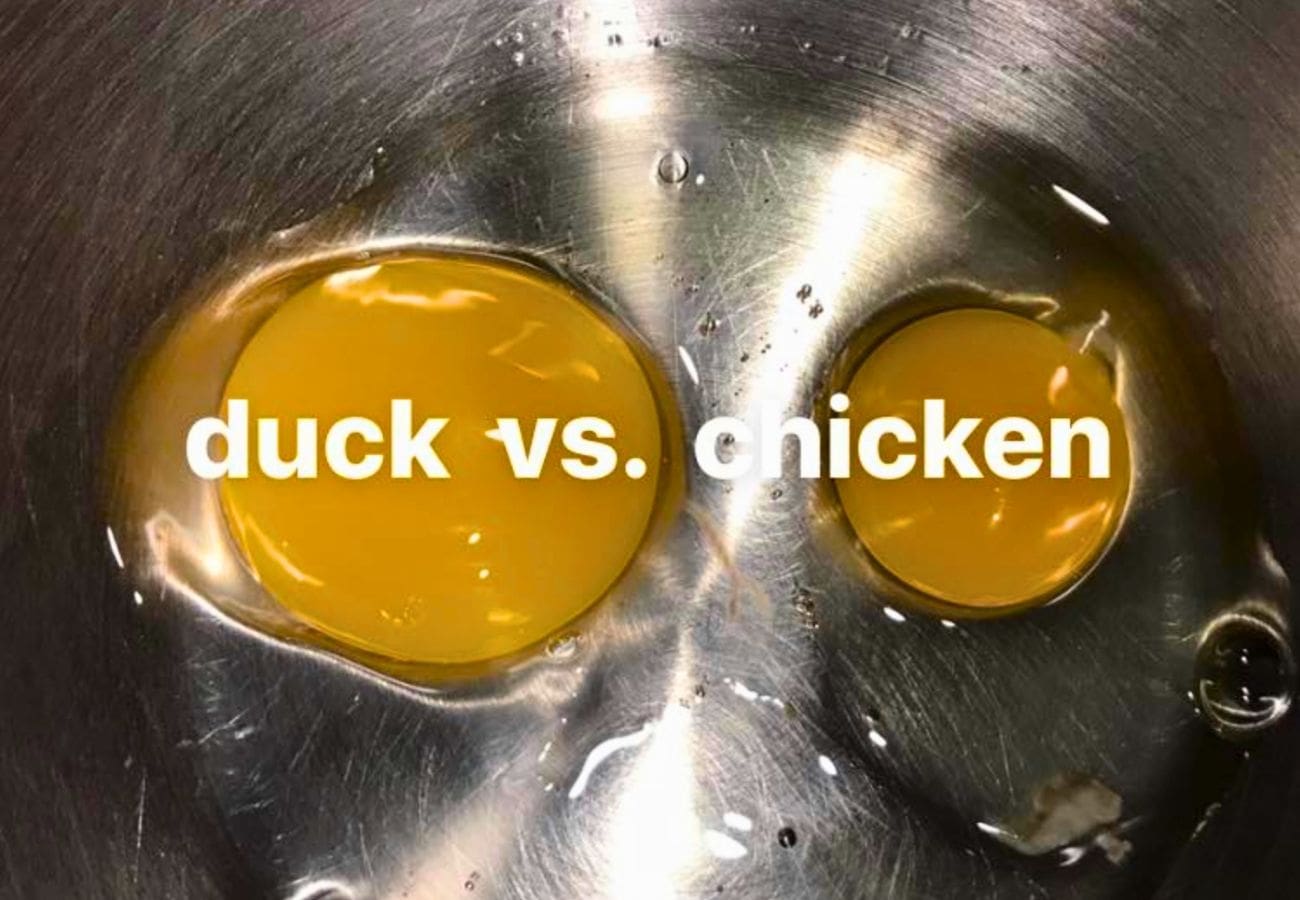
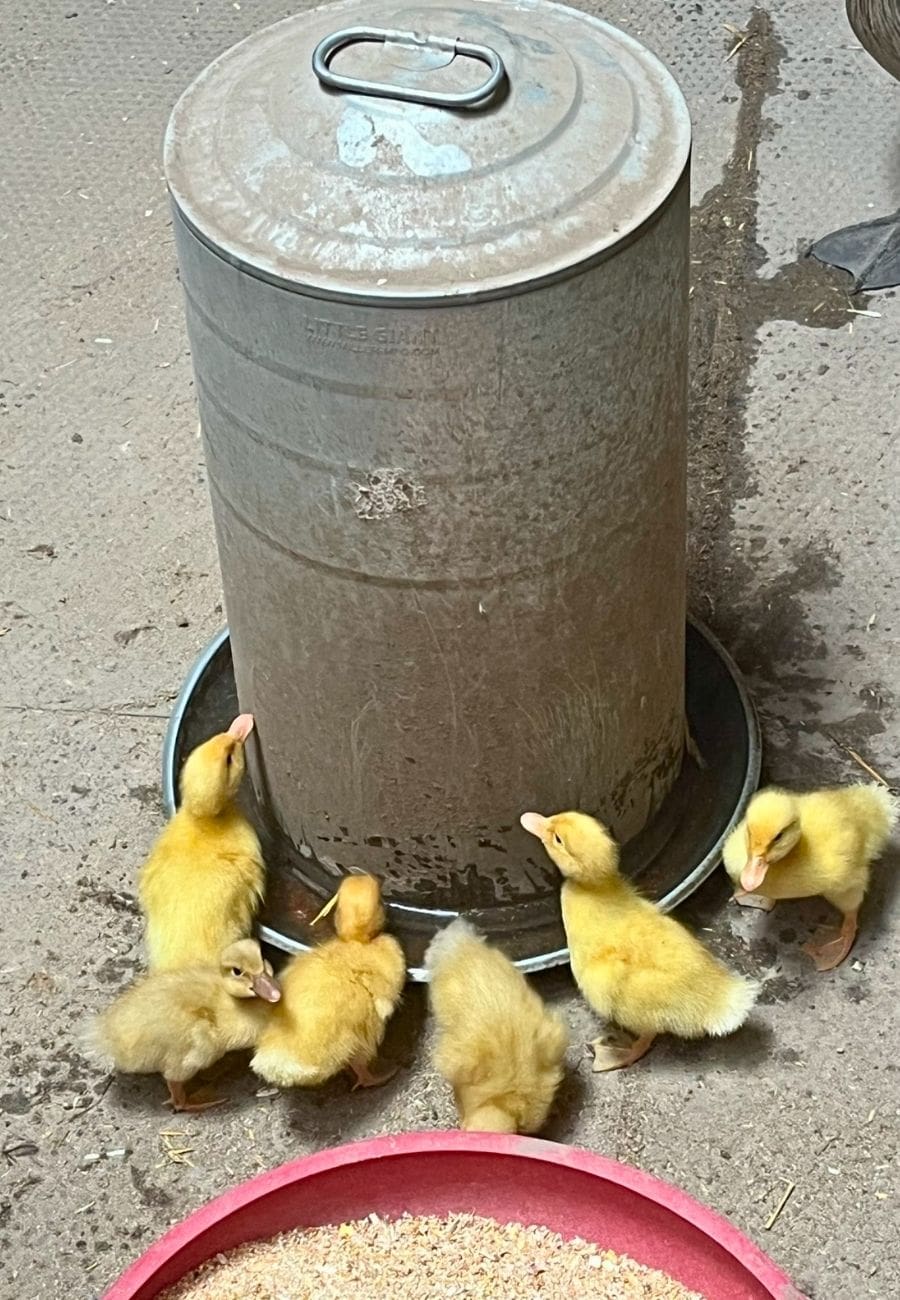
Our duck flock lives down by the lower chicken coop. They free-range in the pasture during the warm months, and winter in the high tunnel. We have a few barnyard mixes, but for the most part we raise Swedish, Cayuga, and Silver Appleyard breeds. They are excellent foragers, outgoing and social animals who feel most at ease when they’re in a larger group of other ducks. We raise ours primarily for eggs. Duck eggs are twice the size of chicken eggs, have richer and creamier yolks, and are ideal for baking. Chicken eggs are more standard and versatile, but you can’t beat a duck egg for a higher concentration of vitamins, healthy fats, and protein!
We provide a 400-gallon stock tank for them to bathe and swim in. Once a month we pump the water out of the duck tank to irrigate the soil in the orchard and bee garden. Not only is this free liquid fertilizer a sustainable, cost-effective way to enhance plant health and productivity, the bacteria in the water adds beneficial nutrients and organic matter to the soil. This process is called “Duckponics”.
Quail coming Summer 2026
Recommended Reading:
“Storey’s Illustrated Guide to Poultry Breeds” by Carol Ekarius.
Get to Know Life at the Deer Creek Homestead
Walk the grounds, meet the animals, and see how the homestead comes to life. A visit is the best way to understand the heart of Deer Creek and the way we live here. If you have a reservation with Campfire Cabins and would like to arrange a tour, please reach out! Check out campfire-cabins.com for information and reservations.